






Skills Across the World is an initiative that combines the talents and enthusiasm of WorldSkills Competitors with on-the-ground communities in an exchange of skills and cultures. Because changing the world can start with something as simple as a sari, a pedal bike, or a 3D printer.
The couturier Manish Malhotra uses sewing and tailoring to empower communities in rural India. Ancient handicrafts, especially those made by women, can go unrecognized yet they play a vital role in preserving culture and creating economic opportunity.
Martin Harvey / Getty Images
The Mijwan Welfare Society was founded in 1993 by Urdu poet Kaifi Azmi, who returned to his birthplace – a forgotten village in Uttar Pradesh – and found it mired in poverty and neglect. Today, led by his daughter, the actress Shabana Azmi, the organisation transforms the lives of rural women through Chikankari: a centuries-old hand embroidery tradition rooted in Mughal-era Lucknow. For women with no income and no path forward, a needle and thread have become the tools of economic independence.

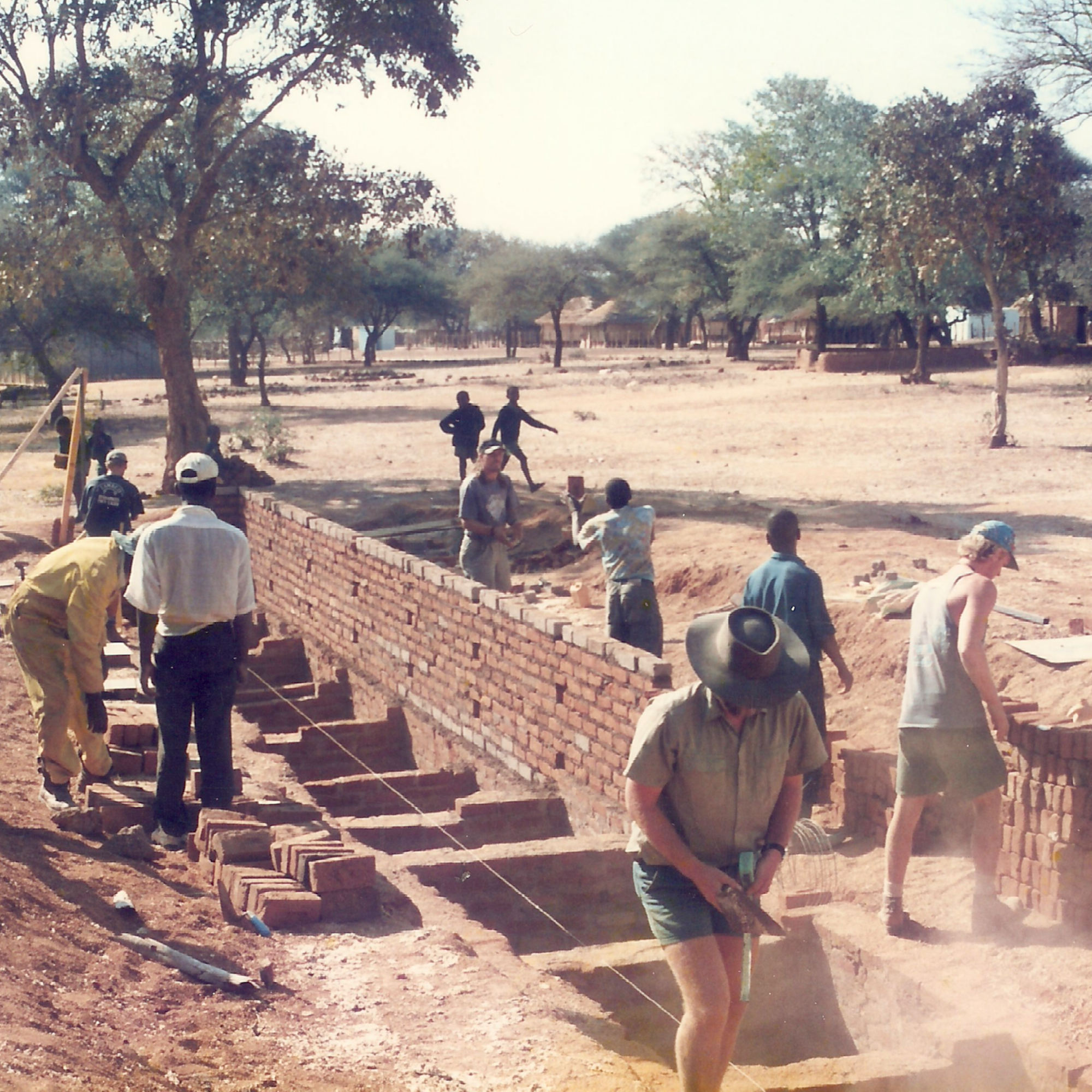
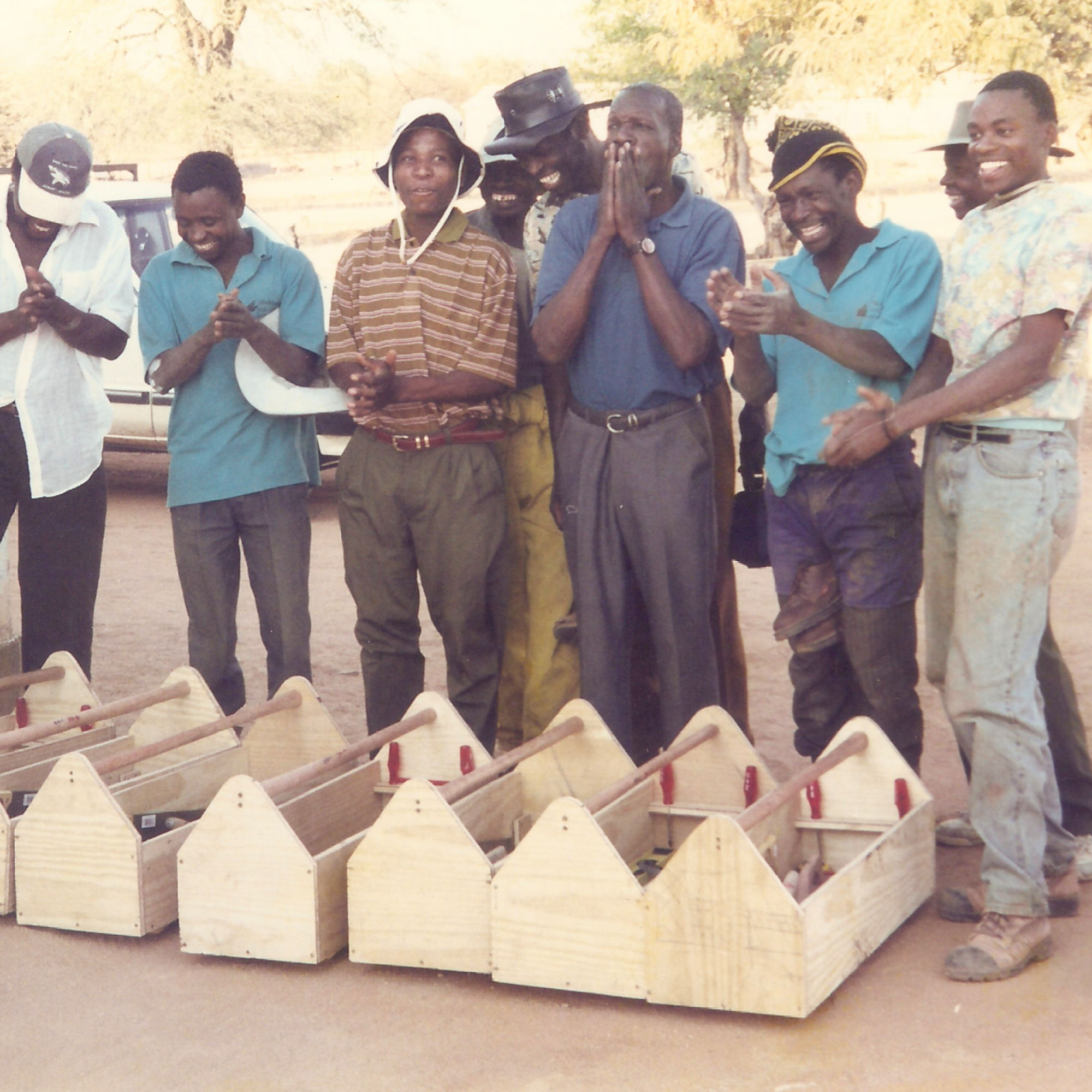
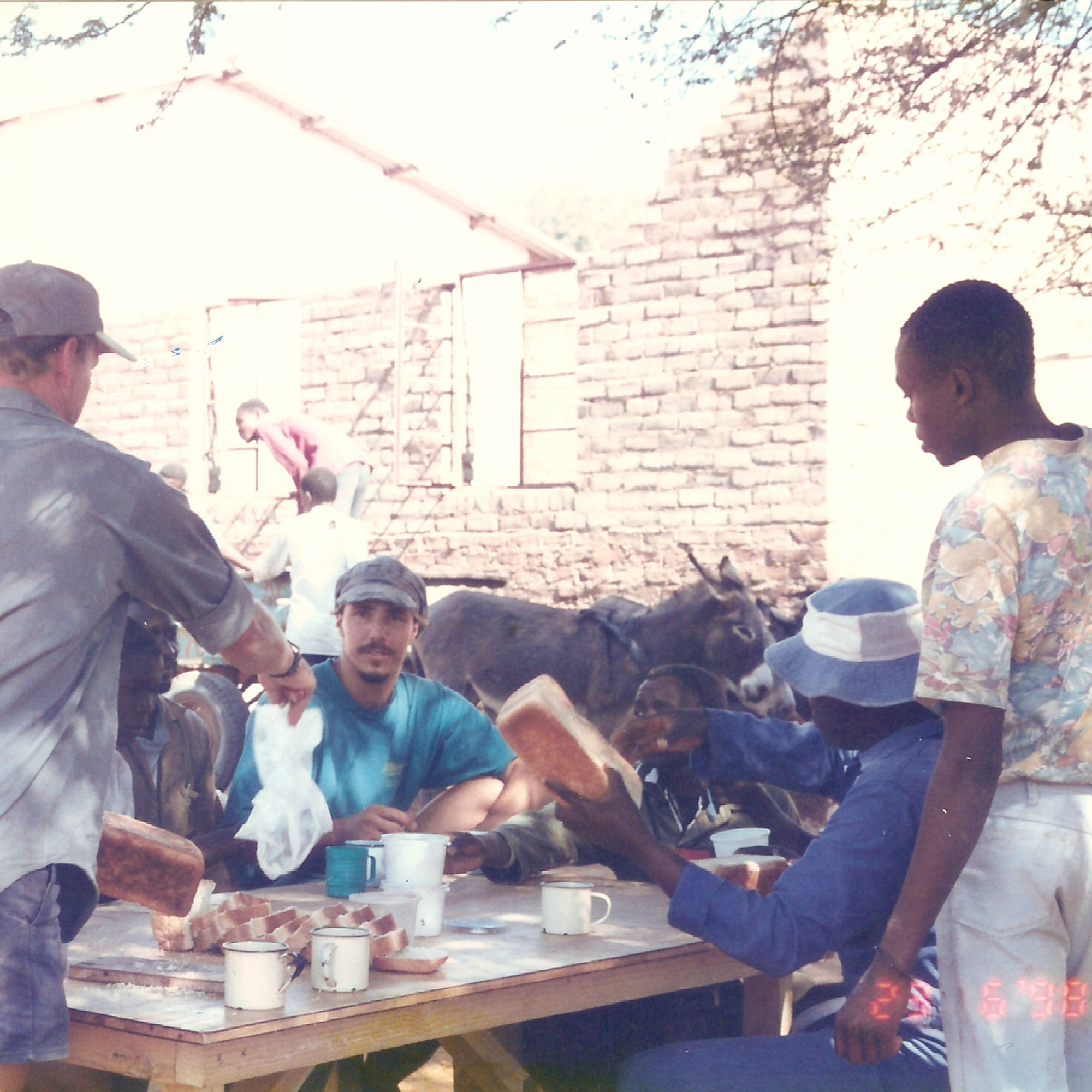

Five WorldSkills Competitors built a new amenities block, a new classroom, and a fully-equipped primary school in Makwe, a small village in southern Zimbabwe as part of a six-month vocational skills exchange. Inspired by the Makwe project, similar projects were completed in other areas of Zimbabwe, Kenya, and Kosovo.

3D printing builds objects layer by layer from digital designs, making it possible to create complex, customised shapes quickly and cheaply.
One of those shapes changed Conchi Aguilar’s life. Conchi was born with a malformation in her left arm. Ramón and Fulgencio, two teachers from Orihuela, Spain, made a 3D printed, articulated prosthesis for her in pink and red, her favourite colours.
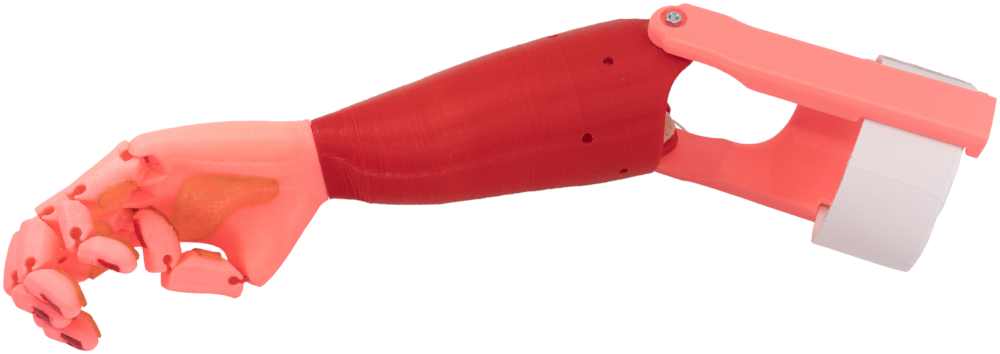
I can hold things and write. The other day at school I picked up a pencil and started drawing lines.

Every year, 3.5 million people around the world die due to water shortages or consuming contaminated water. Creating universal access to clean drinking water requires technology and lateral thinking. This filtration station created by FESTO, WorldSkills Global Premium Partner, uses layers of sand to remove impurities.

Staff and students at Sheridan College, Canada created this Test Project for the Industrial Mechanic Millwright Competition at WorldSkills Abu Dhabi 2017. The simple but highly effective, pedal-powered filtration system provides an inexpensive solution for producing clean drinking water. It can pump six litres of clean water per minute. The project has gone on to support water initiatives in Morocco through the United Nations Industrial Development Organization (UNIDO).


As technology advances, we are seeing skilled people embrace AI, machine learning, robotics and automation to tackle global challenges more quickly and more effectively. These innovations show what is possible when you combine the skills and critical thinking of humans with the productivity and precision of technology.
Technologies such as robotics are helping skilled people tackle some of the most dangerous urban maintenance challenges. The Waste Management Autonomous Robot Challenge game, developed by Epic Games and Studica Inc., shows how autonomous robots, overseen by skilled technicians, can do the unsafe work of collecting and disposing of waste at scale.
Health, safety, and personal protection equipment are a critical part of WorldSkills Competitions and a vital part of sustainable human development. We can only successfully transform our societies and industries when people feel safe.
Not that long ago, safety equipment was not widely available and many occupational risks were poorly understood. Over recent decades, technical and vocational work has become safer due to stricter regulations, evolving social expectations, and technologies designed to prevent injury.
Learn how WorldSkills Competitors were advised on health and safety practices in the 1960s, as part of their performance during a WorldSkills Competition.


Welding is a field where protective equipment has drastically improved over the decades. Welders are exposed to harmful gases, which is why powerful breathing protection equipment is necessary. Air-purifying respirators with high protection factors can significantly reduce the amount of toxic chemicals inhaled.
1955

Early protection
An apprentice welder wearing coveralls and a primitive face mask. In the early days of welding, protective equipment was basic and offered limited defence against harmful gases and UV radiation.
1968

Handheld shields
Women performing spot welding using handheld safety masks. Though an improvement on earlier methods, handheld masks required one hand to hold the shield in place, limiting the welder's freedom of movement.
1970

The passive helmet
The conventional passive welding helmet freed both hands for the first time, improving safety and control. The fixed dark lens offered consistent protection but required welders to flip the helmet up between welds to see their work clearly.
1982

Auto-darkening arrives
Hörnell Elektrooptik introduced the first generation auto-darkening filter, a major breakthrough in welder safety. The lens automatically darkens when the arc strikes, allowing welders to position themselves accurately before welding begins.
2021

Generation 5
The Speedglas G5-02 represents the current state of the art — a generation 5 mask with a curved auto-darkening filter that provides a wider, clearer field of vision. Combined with integrated respiratory protection, it offers comprehensive defence against both optical and chemical hazards.
While the challenges of the 21st century remain immense, millions of people are channelling their unique talents to build a better world with skills. From hand-crafted saris to pedal-powered water pumps to safer workplaces, skills are making our world more sustainable and safer every day.
